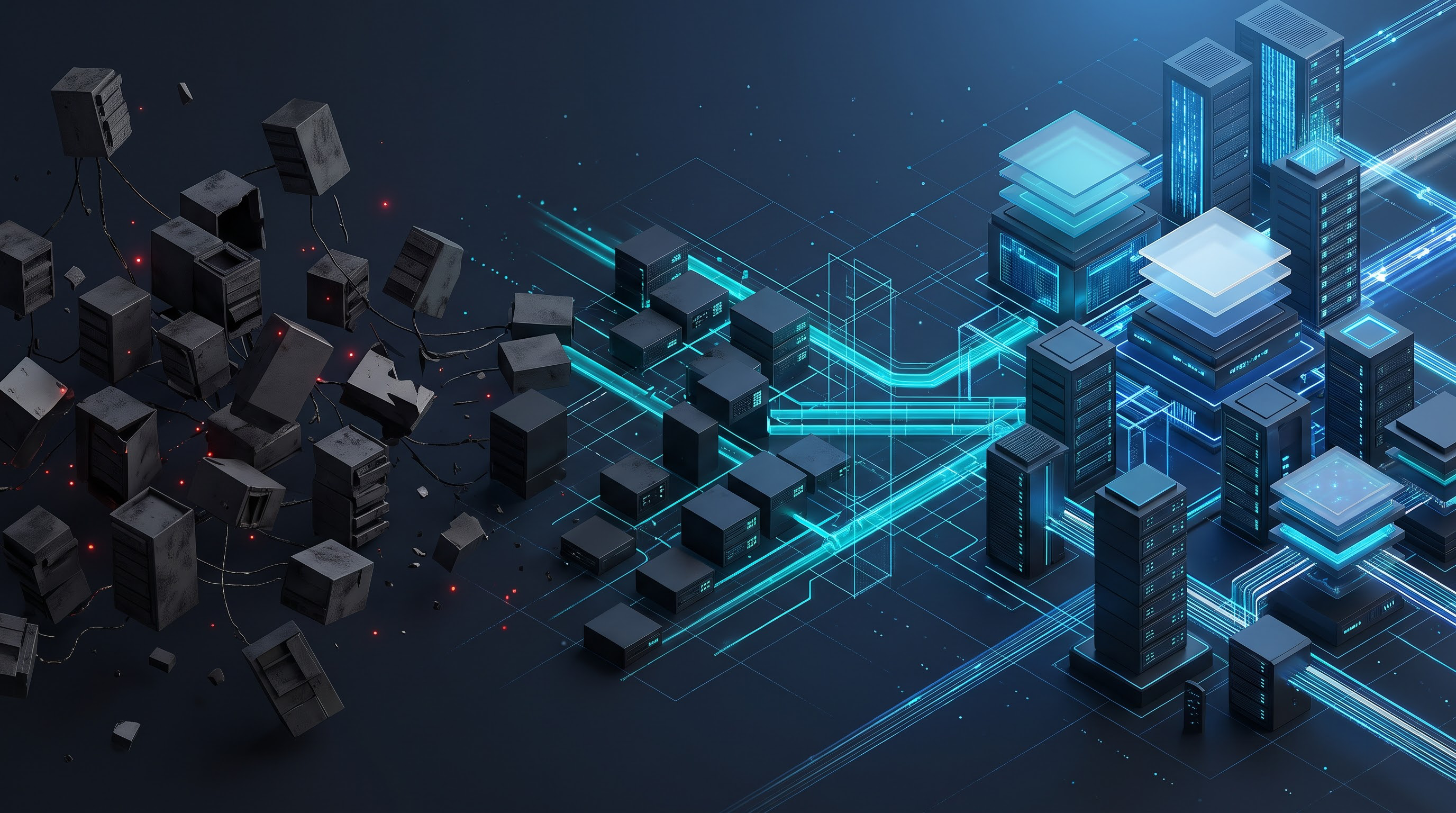
What is defensive modernization?
Defensive modernization is the process of improving existing software architecture, dependencies, infrastructure, and development practices to reduce security exposure, technical debt, and operational risk while preserving essential business functionality.
Can Sketchmonk modernize legacy software without rebuilding everything?
Yes. Depending on the system's condition and requirements, we can recommend targeted remediation, incremental refactoring, framework upgrades, component replacement, or a broader architectural transformation. A complete rewrite is not always necessary.
Can you help address newly disclosed vulnerabilities such as PHP2Shell?
We can support technical assessments, dependency and runtime reviews, remediation planning, application upgrades, and modernization work. The immediate response depends on the affected environment and should follow the relevant vendor's security guidance. Where compromise is suspected, incident response and forensic investigation may also be required.
How do you modernize systems that cannot afford downtime?
We assess dependencies, operational constraints, and migration risks before selecting an approach. Where feasible, staged deployments, parallel environments, compatibility testing, and rollback planning can reduce disruption. The appropriate strategy depends on the architecture and service requirements.
Do you replace unsupported technologies?
Where necessary, yes. We evaluate whether an unsupported component can be safely upgraded, migrated, isolated temporarily, or replaced. The goal is to reduce risk while maintaining a practical path toward a supportable architecture.
How does Sketchmonk approach security during modernization?
We consider security throughout the process—from architecture and dependency assessment to implementation, testing, deployment, and ongoing maintenance. Specific controls and validation activities are tailored to the system's risks and requirements.
Can you work with our existing engineering and security teams?
Yes. We can collaborate with internal engineering, IT, and security teams to assess the current environment, prioritize work, modernize selected components, and establish a sustainable path for future improvements.